Economic Growth vs Economic Development
Economic Growth
- Increase in real GDP over time.
- Historically, economic growth was considered to directly lead to economic development.
Economic Development
- A multidimensional concept involving a sustained increase in living standards that implies higher levels of income and thus greater access to goods and services, better education and health, a better environment to live in as well as individual empowerment.
- Development was formerly measured traditionally using real GDP with the understanding that increases in income lead to development.
- However, now we understand that access to food, water, shelter, education and healthcare might not necessarily become accessible, and especially not equally so, with increases in average income.
Sustainable Development
- Refers to the degree to which the current generation is able to meet its needs today but still conserve resources for the sake of future generations.
- This ensures that the ability of future generations to also meet their own needs is not compromised.
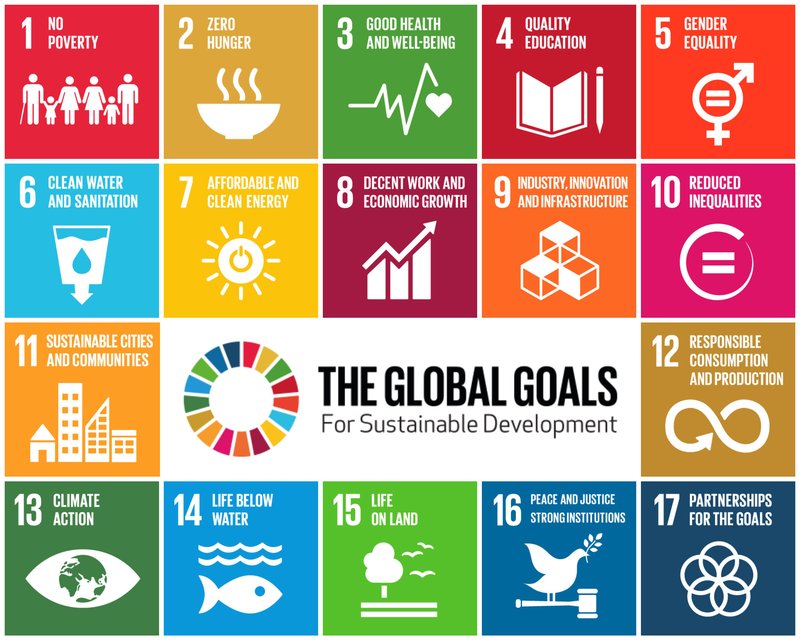
- The United Nations have developed an important guideline for sustainable development called the Sustainable Development Goals (SDGs).
Poverty and Sustainability
- Poverty creates an unsustainable relationship between people and natural resources.
- Typical unsustainable practices are deforestation, overhunting, land degradation, or pollution.
- Plastic pollution due to mismanaged plastic waste is one of the most common types of pollution.
- People that deal with poverty are more concerned with food, water, and shelter than sustainable practices.
- Unsustainable development affects the poor the most.
- Many of the poorest areas in the world live in vulnerable environments such as low coastal areas, floodplains, rainforests and arid regions.
- As climate change continues, these populations are more vulnerable to extreme weather conditions such as floods, monsoons, typhoons, hurricanes and droughts.
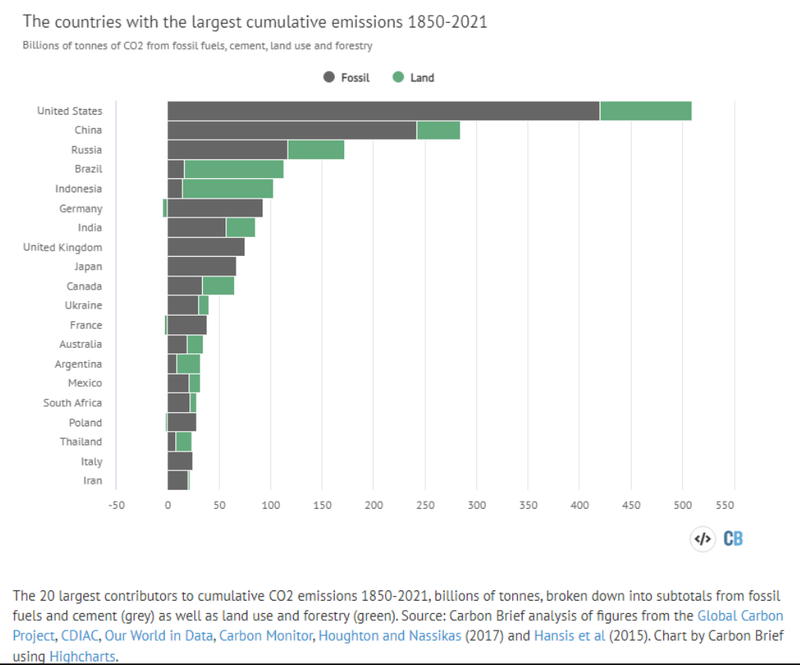
- Developed countries must make changes to reduce carbon emissions and natural resource reliance so the poorest countries can develop.
- Historically, developed countries have created huge emissions through industrialization, yet now developing countries are not given the same opportunities to do so due to a global need to reduce emissions, leading to inequity.
Sources