LeFonch
Characteristics of Classic Design
What is Classic Design?
- A classic design is a product that serves as a standard of its time, that has been manufactured industrially and has a timeless appeal.
- The iconic status of classic designs is often attributed to them being "breakthrough products".
- Design classics often reflect cultural influences and mark transition points within a particular culture.
- The image makes a classic design instantly recognizable and provokes emotional reactions.
- The image of a particular product is the instantly recognizable aesthetics of it.
- The timeless appeal of classic designs make them recognizable and allow them to remain fashionable.
- Classic designs are mass produced products.
- Therefore they are likely to be affordable and ubiquitous.
- A ubiquitous product is one that can be found almost anywhere.
- For example it is not limited to specific regions or cultures.
- This contributes to the product reaching classic design status.
- A classic design has a timeless appeal.
- A classic design can defy obsolescence and transcends its original function because it has a timeless quality, which is recognized and remains fashionable.
- A classic design has been in circulation for a long time.
- It can be described as omnipresent.
- A classic design can have implicit features that are recognized as essential by a majority of manufacturers and purchasers.
- This makes it a dominant design.
- The ownership of a classic design can increase the status of an individual.
Breakthrough Products
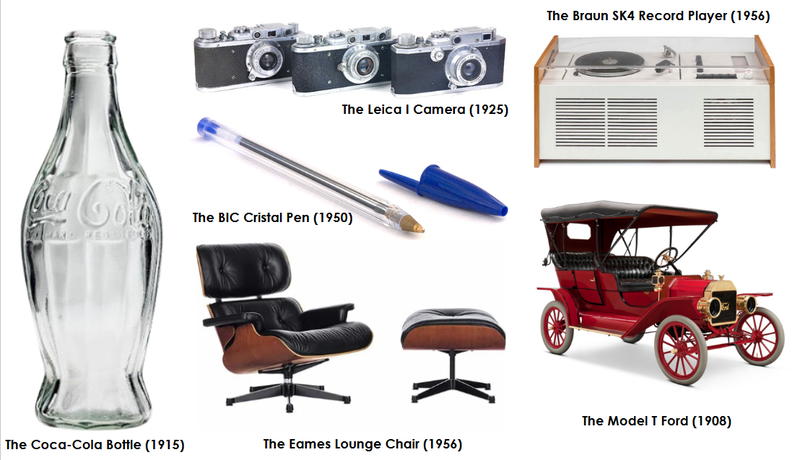
- A breakthrough in classic product design typically refers to a design that brought significant innovation or change to its field, influencing future products and becoming iconic in its own right.
Image
- Within the context of classic design, image relates to the instantly recognizable aesthetics of a particular product.
- For example, the shape of a Coca-Cola bottle or the shape of a Volkswagen Beetle motor car are both extremely recognizable images, and you could likely identify them from just a silhouette.
- Image makes a classic design instantly recognizable and provokes emotional reactions.
- Whether it's a mobile phone, a vacuum cleaner or a chair, the very best examples of industrial design seamlessly blend form and function to make products truly desirable.
- This discipline is all about balancing creative, conceptual , freeform thinking with the practical, industrial constraints of actually getting something made, which requires knowledge of production processes, materials and technology.
- Over the years, some designer's mastery of this crucial balance has elevated them to iconic status.
- We all know how products designed by the likes of Jonathan Ive, James Dyson or Charles Eames look and work.
- Chances are you already own one, or at least want one.
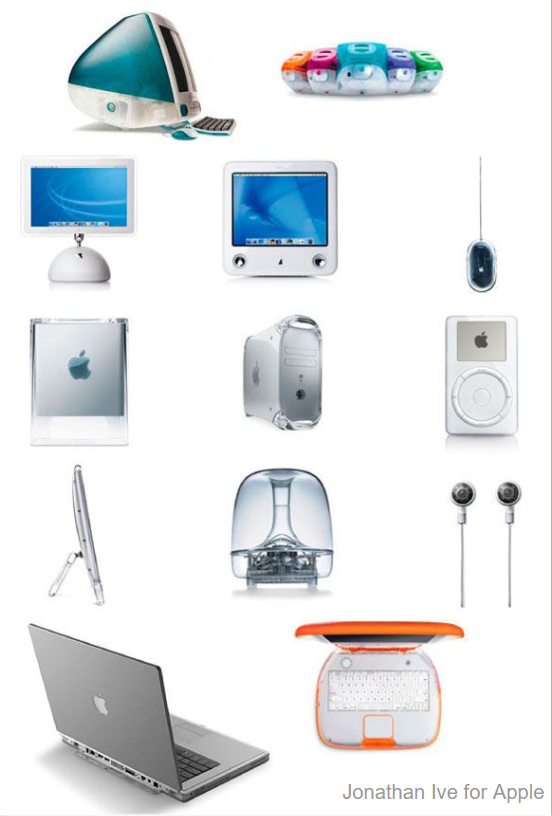
- Aesthetically pleasing objects appear to the user to be more effective by virtue of their sensual appeal.
- This is due to the affinity the user feels for an object that appeals to them, due to the formation of an emotional connection with the object.
- Making you happy or emotional; this can create a feeling that the object functions more effectively.
Status and Culture
- Classic designs are often recognized across cultures and hold iconic status.
- Like movie stars and sport people, designed objects carry a similar visual power.
- We are drawn to them for their beauty and distinct features.
- This iconic status is derived from their prolific use over a number of years (or decades) or by taking center stage in an art installation, a popular restaurant, hotel, or movie set, certain pieces become instantly recognizable to us.
- If you love design you're probably familiar with a long list of iconic designs and can recall where they have featured.
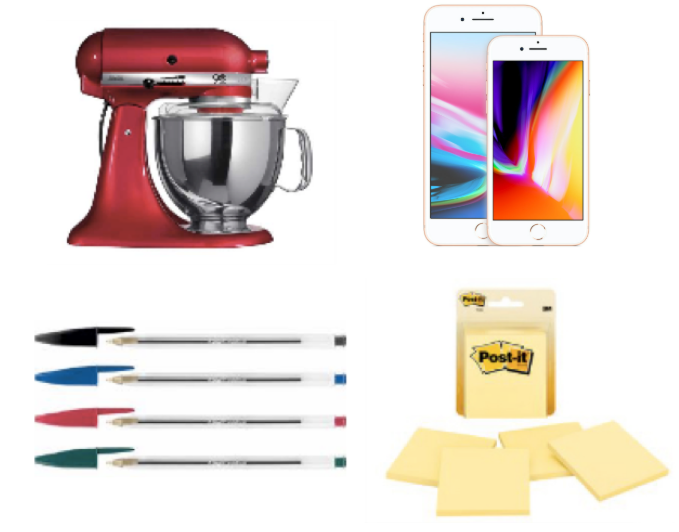
- These everyday objects could arguably be the best examples of successful design:
- they have stood the test of time,
- they were easily adopted by a vast majority of the population, and,
- as objects, they are so user-friendly that they disappear into our daily routine.
Status
- Products considered as classic designs often increase in value and can project a certain status as they become more desirable.
- The ownership of a classic design can increase the perceived status of an individual.
- Some classic designs might feel like "must-haves" with it being abnormal or strange to not own the product.
Culture
- In the context of classic design, culture plays an important part. They often reflect cultural influences and mark transition points within a particular culture. The culture of concern may be national, religious or a sub-culture, such as a particular youth culture or movement.
Obsolescence
- This is the stage in a product life cycle where the product is no longer needed even though it functions as well as it did when first manufactured.
- Classic designs tend to transcend obsolescence and become desired objects long after they have ceased to be manufactured.
Types of Obsolescence
- Obsolescence is the process of becoming obsolete or outdated and no longer used. It can be considered in four ways.
Planned Obsolescence
- A product becomes outdated as a conscious act either to ensure a continuing market or to ensure that safety factors and new technologies can be incorporated into later versions of the product.
Style (Fashion)
- Fashions and trends change over time, which can result in a product no longer being desirable.
- However, as evidenced by the concept of retro styling and the cyclic nature of fashion, products can become desirable again.
Functional Obsolescence
- Over time, products wear out and break down.
- If parts are no longer available, the product can no longer work in the way it originally did.
- Also, if a service vital to its functioning is no longer available, it can become obsolete.
Technological Obsolescence
- When a new technology supersedes an existing technology, the existing technology quickly falls out of use and is no longer incorporated into new products.
- Consumers instead opt for the newer, more efficient technology in their products.
Defying Obsolescence
- A classic design defies obsolescence and transcends its original function.
- Some products are considered to be classic design based on the quality of execution, enduring qualities and restraint.
- These qualities enable the product to fulfill its function, whether that is making toast or shading your eyes from the sun.
- Some products obtain a classic status that transcends this function in that they become iconic objects.
- The object achieves its iconic status for a number of reasons which might include:
- its dominant position in the market,
- its aesthetic qualities,
- and its desirability.
Mass Production
- The production of large amounts of standardized products on production lines, permitting very high rates of production per worker.
- Mass production involves the bulk manufacture of products that have little or no customization.
- The setup costs for mass production are high because it usually involves extensive mechanization and automation.
- The total cost per unit is lower though as less labor is required and materials can be sourced in larger quantities for less.
- These benefits are known as economies of scale.
- Mass production contributes to a product reaching classic design status.
- The mass production strategy is to produce a higher number of units, but supply these to the market at a lower cost than the competitors.
- Therefore the consumer is able to access a product of equivalent quality at a lower price.
- Consumers will show preference for the lower priced product and it will sell in much higher quantities.
- The preference of this design over others can afford the product classic design status.
Ubiquitous
- In the context of classic design, a product that is ubiquitous is one that can be found almost everywhere.
- For example, a mobile phone such as the iPhone.
- In the context of classic design, a product that is omnipresent has existed and been in circulation for a long time.
- The constant presence of a product in a changing context leads to classic design status.
Dominant Design
- The design contains those implicit features of a product that are recognized as essential by a majority of manufacturers and purchasers.
- Classic designs are dominant in the marketplace and difficult to change.
- Apart from the functional or particular feature that is so appealing to the user, emotional issues can increase the dominance of a classic design.
- Users are often reluctant to change, they are happy with the product and can not see any advantage in ‘upgrading’ or changing to a later model.
- Users can become emotionally attached to the classic design, can cannot believe that any other product is better, or in fact simply do not want to change from their reliable, and cherished possession.
Originality
- A classic design is not simply defined by how well it functions or its impact. Classic designs can be connected to a design movement/era.
- Yet, originality—whether it is evolutionary or revolutionary—seems to be the trait that makes a product “timeless”.